


22 Sep What Happens When You Stop Treating A Holiday Like A Schedule?
A holiday is supposed to give you a break from everyday routines, yet it is surprisingly easy to turn it into another schedule. Wake up early, visit a landmark, find a restaurant, take photographs, rush to the next attraction, and repeat it all the following day. Before you know it, the holiday is over and you are heading home wondering why you feel like you need another holiday. But, what happens when you stop doing that? You notice more. You talk more. You rest without feeling guilty. You become open to unexpected experiences and start enjoying the destination rather than simply moving through it. A slower holiday does not mean doing nothing. It means giving yourself enough space to actually experience where you are.
The itinerary stops being the main event
A carefully planned itinerary can be useful, especially when you are visiting somewhere for the first time. But when every hour is accounted for, the holiday can start feeling like an assignment. There is always another place to reach, another activity to complete or another photograph to take. Leaving some gaps in your plans changes that experience. You might spend longer over breakfast because the morning feels too pleasant to rush through. You could discover a quiet café, take a different road or return to a place you unexpectedly enjoyed. The destination becomes something you experience rather than something you complete.
You start paying attention to small things
When you are not constantly checking what comes next, small details begin to stand out. You notice how the light changes in the afternoon, the smell of freshly brewed coffee, birds calling from nearby trees or the sound of rain against a window. You may notice an interesting building, a local shop or a beautiful stretch of road that you would normally pass without a second thought. None of these moments may have been part of your original plan. Yet they can become the memories you talk about later. A relaxed holiday creates room for these little discoveries because you are not too busy trying to reach the next item on your list.
Mornings become something to enjoy
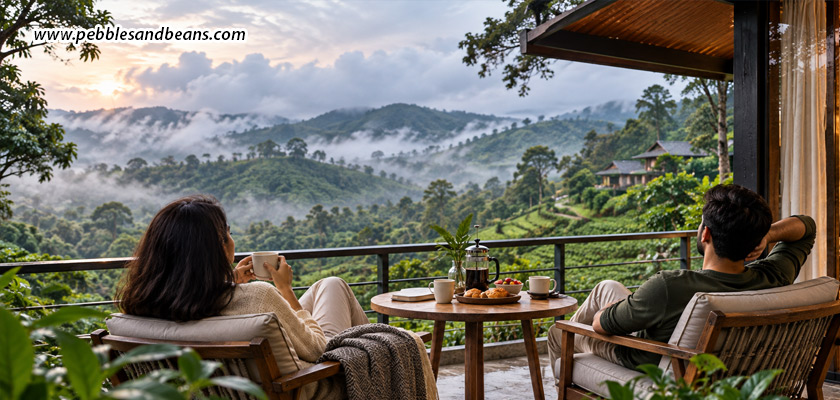
One of the first things that changes when you stop rushing is the way you experience mornings. Instead of waking up with a mental countdown to the day’s first activity, you can simply take your time. Open the curtains. Look outside. Have breakfast slowly. Enjoy a cup of coffee without simultaneously checking directions or planning the next stop. For couples and families, mornings can also become an opportunity to spend uninterrupted time together. There is no pressure to immediately get somewhere. Even an ordinary breakfast can feel special when you are enjoying it in unfamiliar surroundings, with a view you do not normally wake up to.
Meals stop feeling like pit stops
When you have somewhere to be every couple of hours, meals can become little more than fuel. A slower holiday changes that. You can actually sit down and enjoy breakfast instead of rushing through it. You can take your time over lunch, try a local dish or stop somewhere simply because the place looks inviting. Food also becomes part of the destination’s personality. The flavours, ingredients, preparation and setting can tell you something about where you are. Even a simple cup of tea or coffee can feel different when enjoyed in a new environment. When there is no immediate rush, meals become experiences rather than interruptions between activities.
You become more open to the unexpected
Schedules are useful because they create certainty. But too much certainty leaves very little room for surprise. When you have free time, you can change your plans because someone recommends a place. You can stay longer somewhere you love. You can skip an attraction because everyone is tired. You can follow an interesting road or spend an extra hour enjoying your surroundings. Unexpected experiences often become some of the strongest holiday memories. They may not have been carefully researched beforehand, but they feel personal because they happened naturally. A little flexibility gives your holiday space to become its own story rather than simply following the story you wrote before leaving home.
You leave room for rest
Rest is not wasted holiday time. If you spend every day waking early, travelling long distances and staying out until late, exhaustion can quickly take over. You may technically have experienced more, but you may not have enjoyed much of it. A relaxed schedule gives your body and mind time to recover. Sleep a little longer when you need to. Take an afternoon break. Return to your accommodation before evening instead of forcing yourself to stay out. Rest also gives you more energy to appreciate the moments you do choose to experience. After all, a holiday should leave you feeling renewed rather than making you feel like you need a recovery period when you return home.
You return with memories, not just photographs
Photographs are wonderful reminders of a holiday, but they cannot capture everything. A picture may show a mist-covered hill, but it cannot recreate the cool morning air. A photograph of a meal cannot capture the conversation that happened around the table. A landscape may look beautiful on your screen, but the feeling of standing there is something else entirely. When you slow down, you collect these less tangible memories. You remember the unexpected rain. The coffee you had twice because you liked it so much. The road you almost did not take. The evening when everyone simply sat together. These memories often give a holiday its personality.
Let the destination set the pace
Every destination has its own rhythm, and a good holiday gives you enough space to notice it. In a hill destination, that might mean following the slower pace of misty mornings and quiet evenings. In a coastal town, it could mean lingering over a sunset. In a heritage city, it might mean spending extra time exploring a neighbourhood instead of rushing between landmarks. But, Sakleshpur is a place that makes slowing down feel absolutely natural. Its hills, greenery, coffee plantations, winding roads and changing weather create plenty to see without requiring a packed itinerary. A misty morning can invite a slow walk, while a rainy afternoon may be the perfect excuse to sit back with a warm drink. When the skies clear, you can head out and explore at your own pace. Moreover, The Pebbles & Beans Resort offers a nature-focused stay where the surroundings become part of the experience. With greenery, comfortable spaces and a peaceful atmosphere, it is an inviting choice for travellers seeking relaxed Sakleshpur resorts without constantly following a schedule.
Stopping the habit of treating a holiday like a schedule does not mean giving up all planning. It simply means leaving some space for the moments you cannot plan. Wake up slowly. Take the scenic route. Spend longer over coffee. Have the conversation that runs past dinner. Sit outside while it rains. Change your plans when something unexpected catches your attention. A holiday is not a checklist of places successfully visited. It is the time you spend experiencing a different environment, reconnecting with people and giving yourself permission to slow down. And sometimes, the most memorable part of the trip is not what you planned to do at all. It is what happened in the space between the plans.